13 hr
Vienna to Hallstatt Day Trip with Optional Alpine Lake Cruise
- Expert local guide
- Small group
- Skip-the-line access
- Free cancellation
Vienna To Hallstatt Day Trip — Guided Routes & Reserved Seats
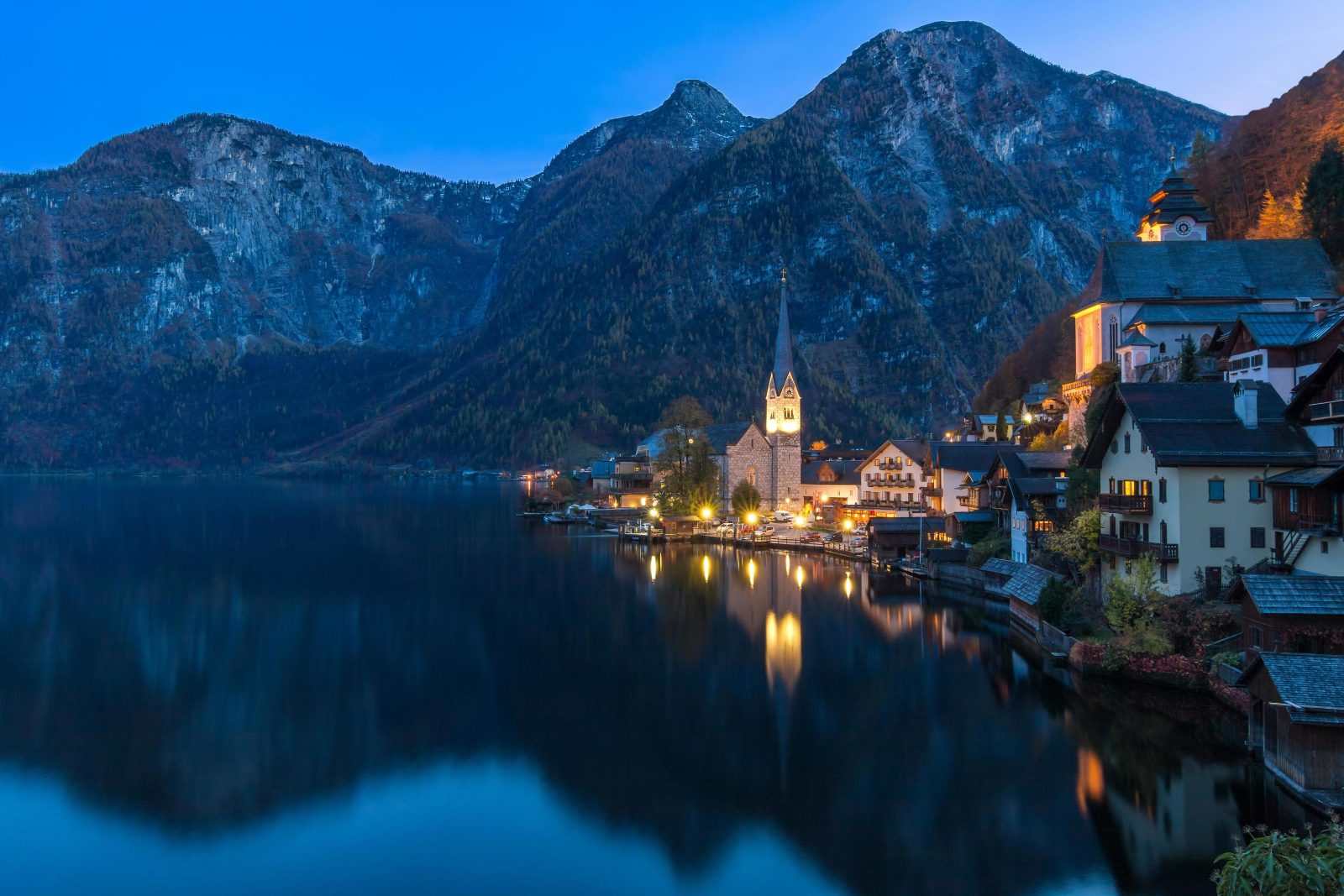
Salt shaped the mountain, water returned the reflection.
Compare fares, pick the fit — all bookings are mobile-voucher and eligible for free cancellation where shown.
13 hr
14 hr
13 hr
| Experience | Duration | Rating | Transfers | Pickup | Skip-the-line | Guide | Price | |
|---|---|---|---|---|---|---|---|---|
|
Guided Experience
Most popular
Vienna to Hallstatt Day Trip with Optional Alpine Lake Cruise
|
13 hr | ★ 4.7 | ✓ | ✓ | ✓ | ✓ | €71 | Book → |
|
Guided Experience
Salzburg & Hallstatt Alpine Day Trip from Vienna
|
14 hr | ★ 4.6 | ✓ | ✓ | ✓ | ✓ | $115 | Book → |
|
Guided Experience
Austria Lakes & Mountains: Hallstatt and Salzburg Day Tour from Vienna
|
13 hr | ★ 4.5 | ✓ | ✓ | ✓ | ✓ | €100 | Book → |
Worth it only for early risers
A vienna to hallstatt day trip costs you roughly nine hours of travel for maybe four on the ground, and the village itself charges nothing — entrance is 0 EUR, free to enter the village, with lanes open 00:00–23:59 every day. What you pay for is transport and time, not access. That trade works if you arrive inside the 08:00–11:00 window, when the Hallstätter See is still glassy, the Marktplatz is quiet and the salt-mine funicular hasn't queued up. Roll in at noon on a coach and you get a crowded shoreline lane, forty minutes of shuffling, and a village that feels like a film set with the extras included. Guided Hallstatt tours from Vienna suit travellers who don't drive; independent visitors reach the UNESCO Hallstatt-Dachstein region cheaper by rail and ferry. Vienna landmarks reward a slow day more than this does — skip it if your trip is short.
Bottom line: Book the earliest vienna to hallstatt day trip tour you can stomach, or spend the day in Vienna instead.
They complement each other; Salzburg is best for historic architecture, while a vienna to hallstatt day trip tour highlights alpine scenery. Salzburg provides direct rail transport, making it highly accessible for independent travelers using the Austrian Federal Railways network.
|
Top pick Hallstatt Day Trip |
Salzburg Day Trip | |
|---|---|---|
| One-Way Travel Time | 3 to 3.5 hours | 2.2 to 2.5 hours |
| Public Transit Ease | Complex (train transfer plus ferry) | Simple (direct high-speed train) |
| Scenery & Landscape | Alpine lake and steep cliffs | River valley and historic hills |
| Main Sightseeing Draw | Lakefront village and salt mine | Baroque Old Town and fortress |
| Crowd Density | Extremely dense in small area | High but spread across city |
| Best Travel Season | May to October (summer/autumn) | Year-round (great Christmas markets) |
| See tickets & prices |
Verdict: For a seamless journey, Salzburg is the ideal choice. Otherwise, you can purchase vienna to hallstatt day trip tickets for the train and ferry. This route requires transferring at Attnang-Puchheim before crossing the lake. Alternatively, booking organized vienna to hallstatt day trip tours provides direct transport to the Salzkammergut region.
Hand-picked experiences loved by thousands of travelers
13 hours
Free Cancellation
Journey from Vienna to the scenic Salzkammergut region and explore the historic lakeside village of Hallstatt.
13 hours
Free Cancellation
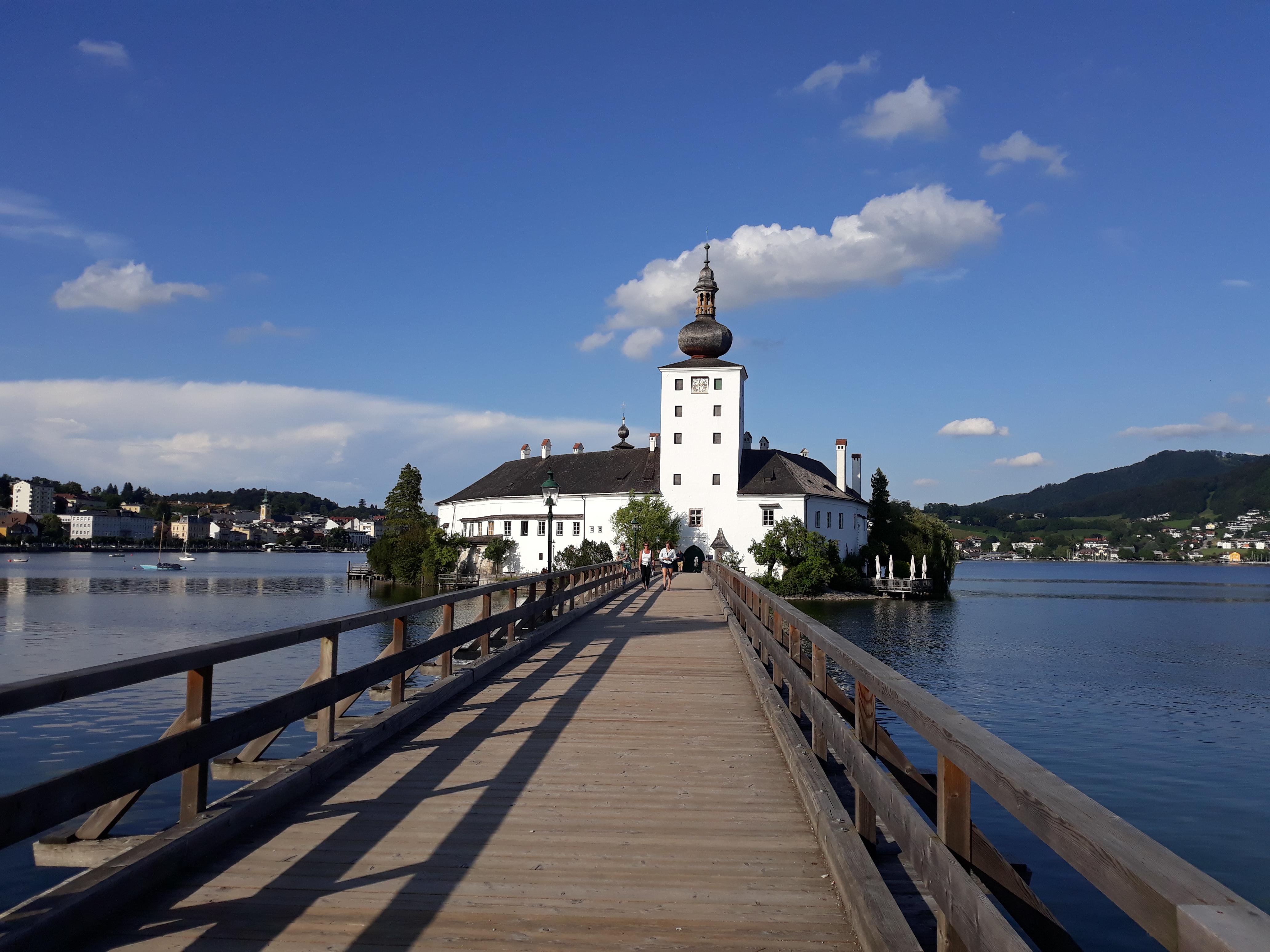
Explore Hallstatt, visit historic Ort Castle, and admire Alpine lakes on this scenic guided day trip from Vienna.
13 hours
Free Cancellation
Travel through the spectacular Austrian Alps to discover Schloss Ort and the storybook village of Hallstatt.
13 hours
Free Cancellation
Discover Austria's alpine gems, historic Salzburg, and lakeside Hallstatt on a scenic day tour from Vienna.
13 hours
Free Cancellation
Experience Austria's Alpine gems and historic cities on a scenic, comprehensive day excursion from Vienna.
12 hours
Free Cancellation
Travel from Vienna to explore the alpine beauty of Hallstatt and the lakebound Ort Castle on a comfortable day trip.
12 hours
Free Cancellation
Journey from Vienna to the scenic lakeside Alps, exploring Hallstatt's historic streets and deep salt-mining heritage.
13 hours
Free Cancellation
Discover Austria's Alpine gems, the spectacular Admont monastic library, and the lakeside charm of Hallstatt.
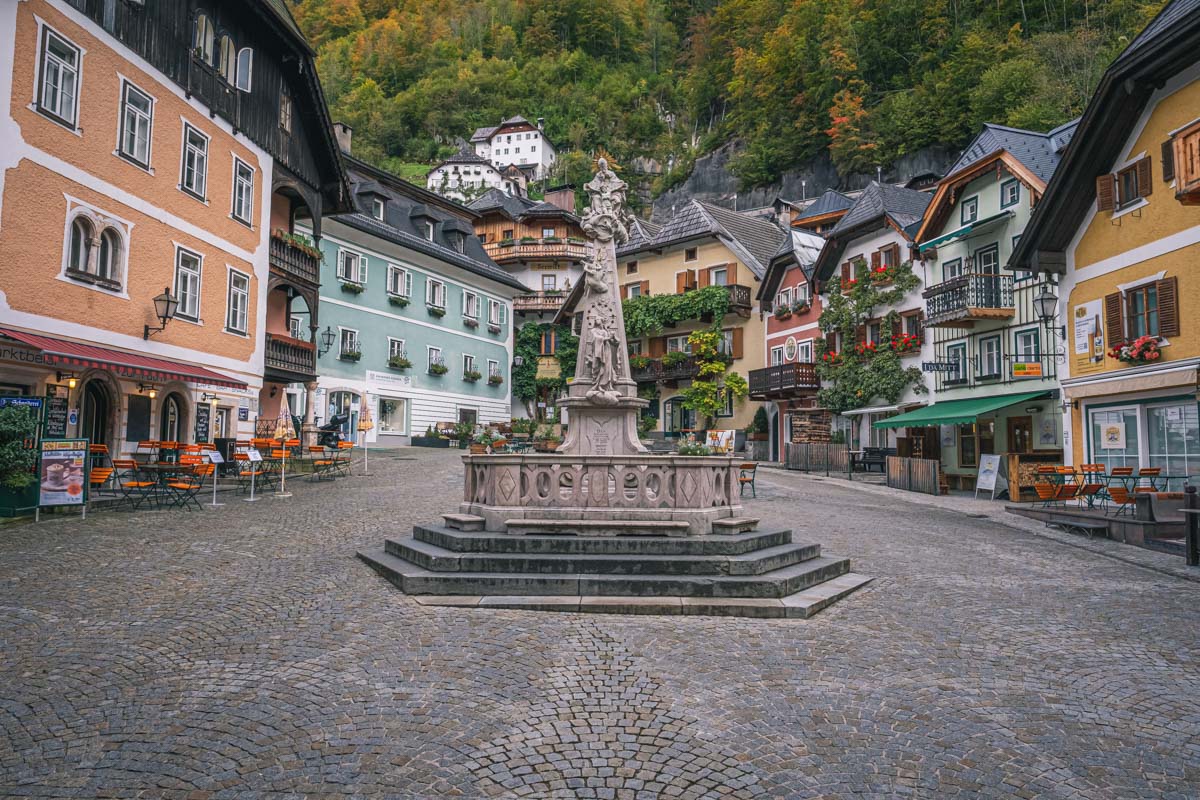
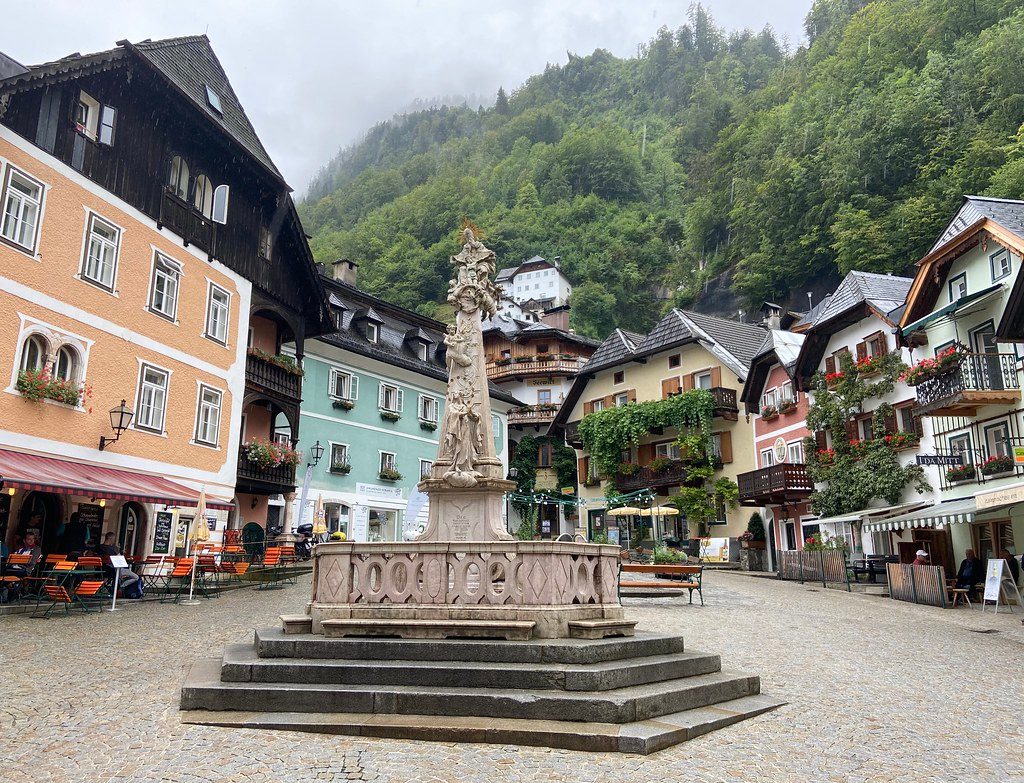
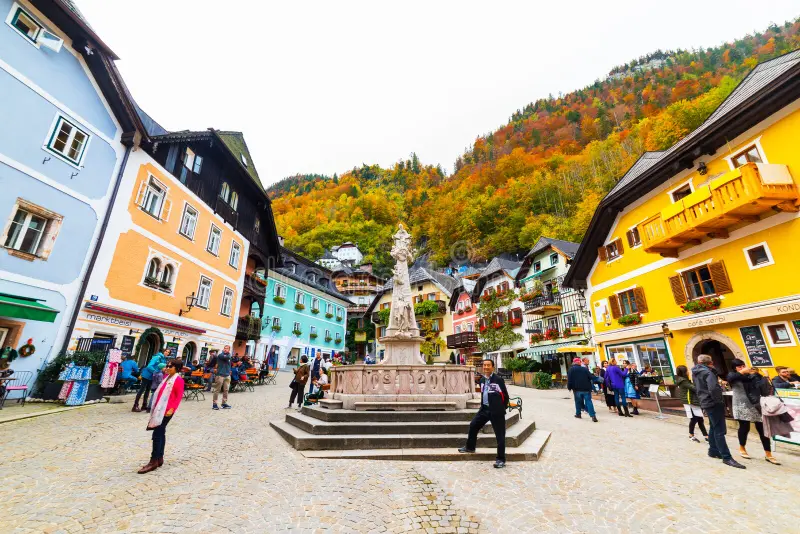
The historic center of the village is lined with multi-colored 16th-century buildings and features a central statue of the Holy Trinity. It is a central hub for cafes and shops.
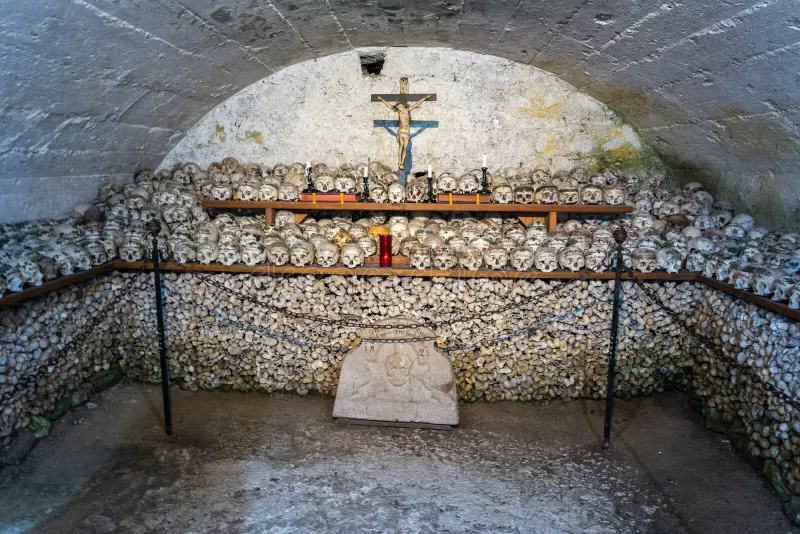
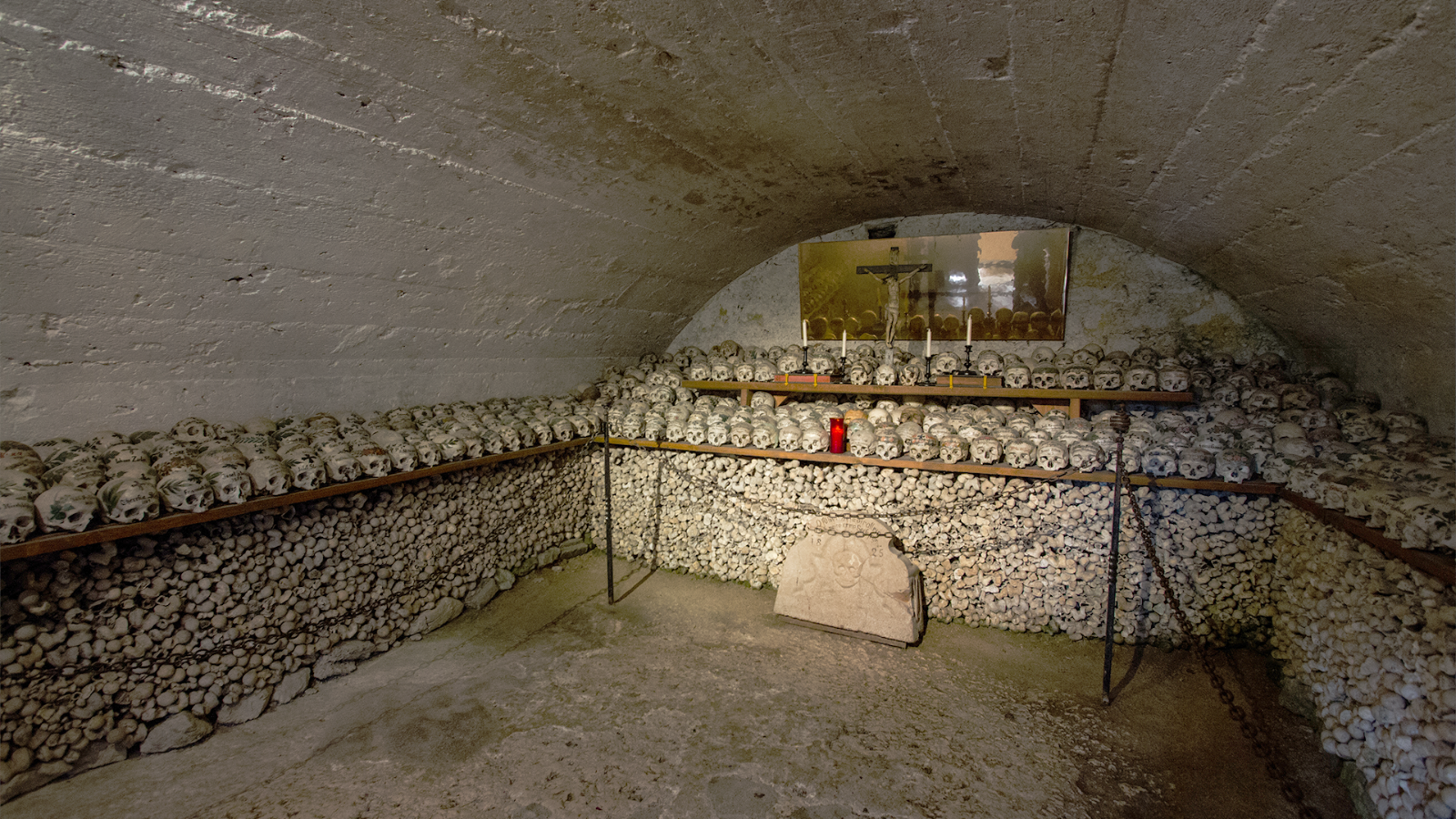
This 12th-century chapel houses a collection of over 600 painted human skulls, decorated with floral motifs and family names since the 1700s. It represents a unique local burial tradition born from limited cemetery space.
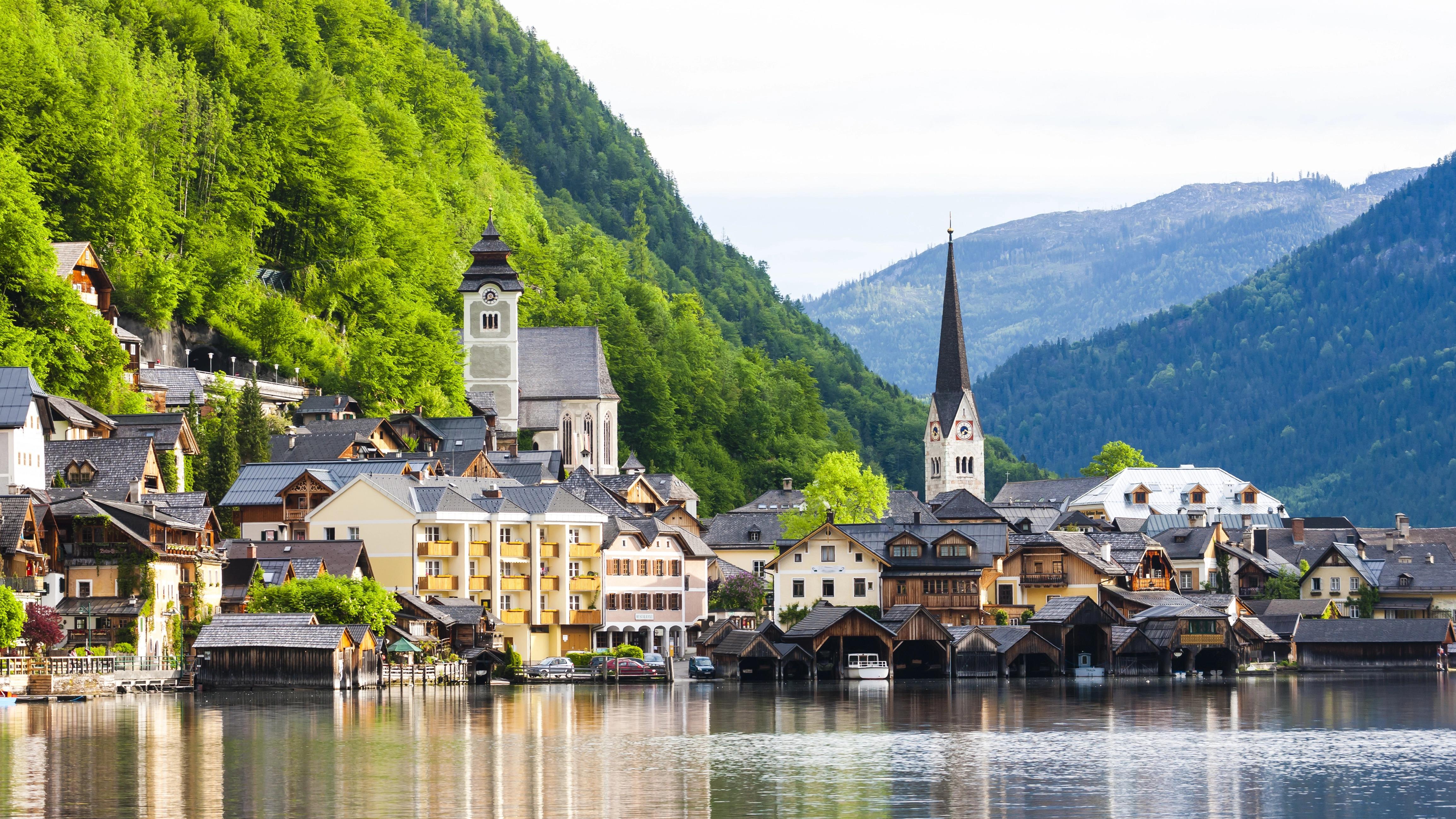
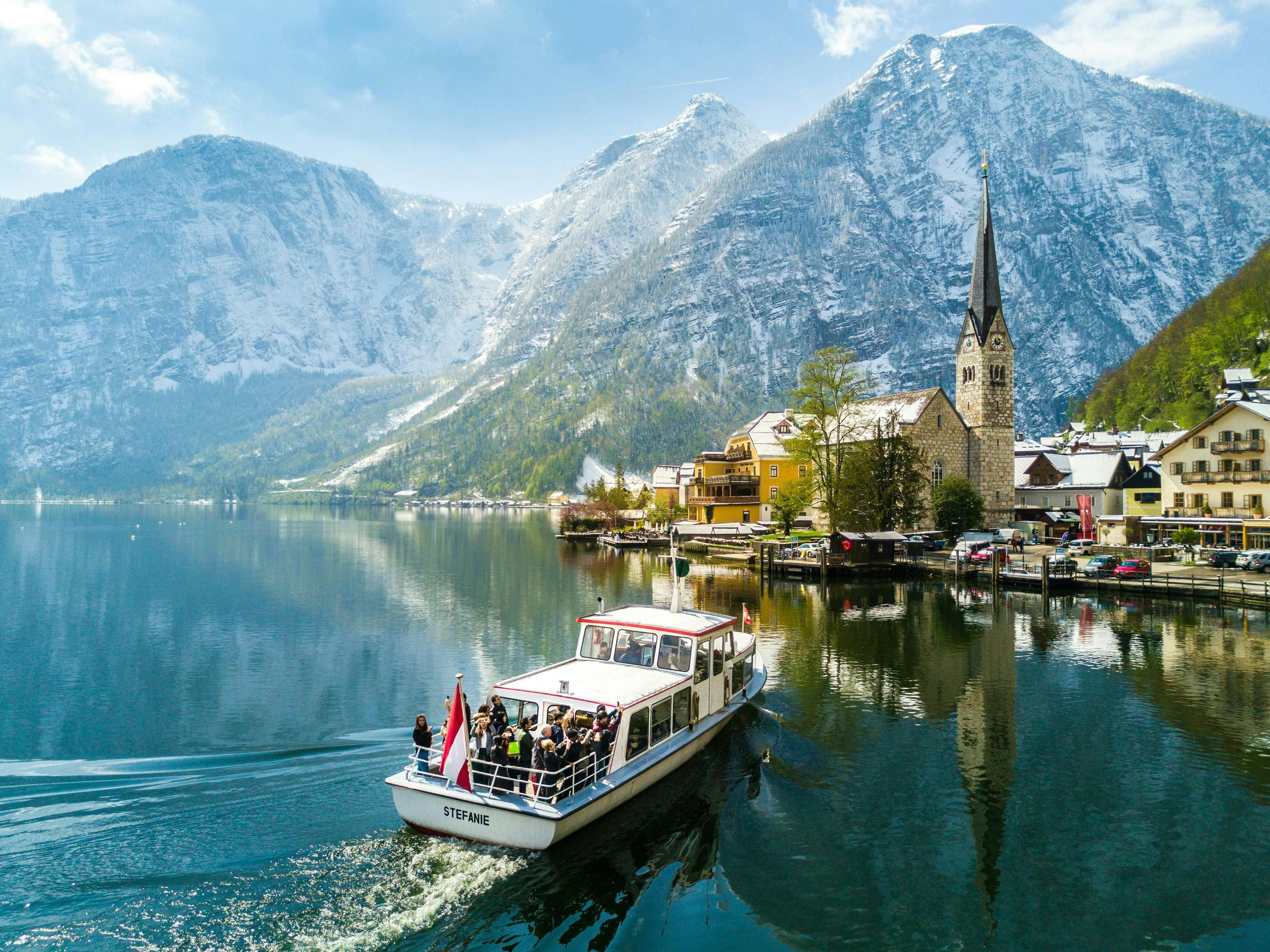
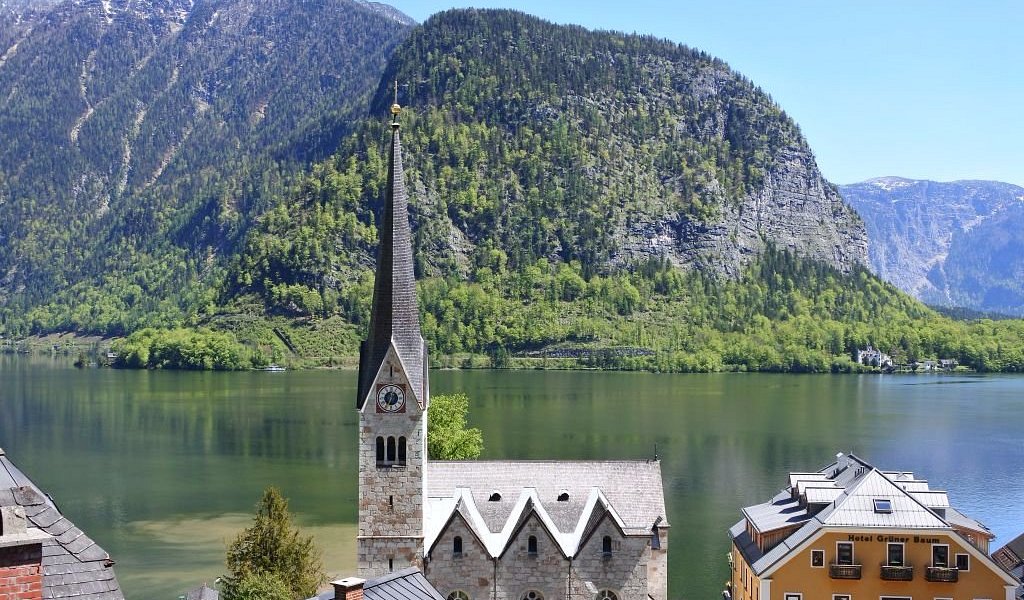
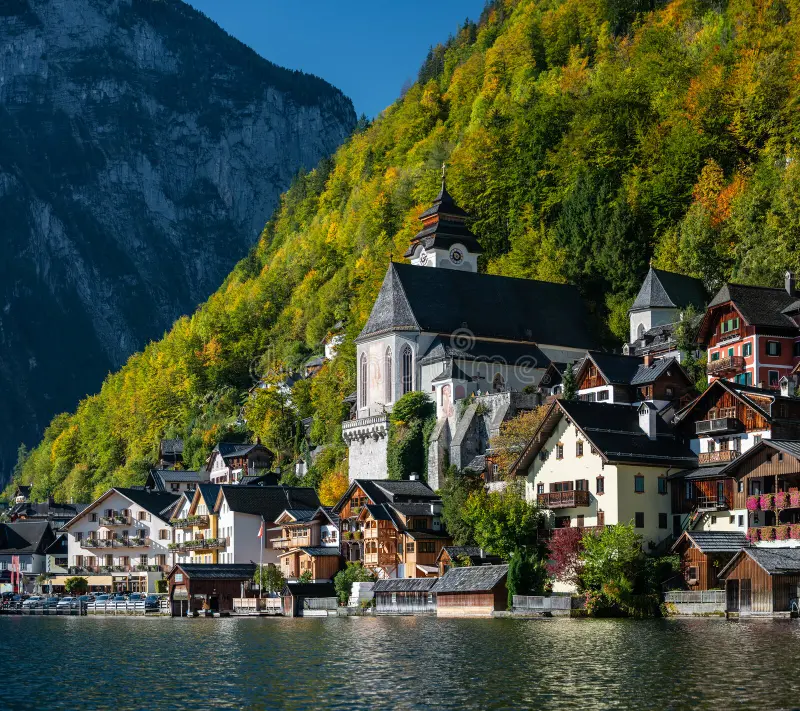
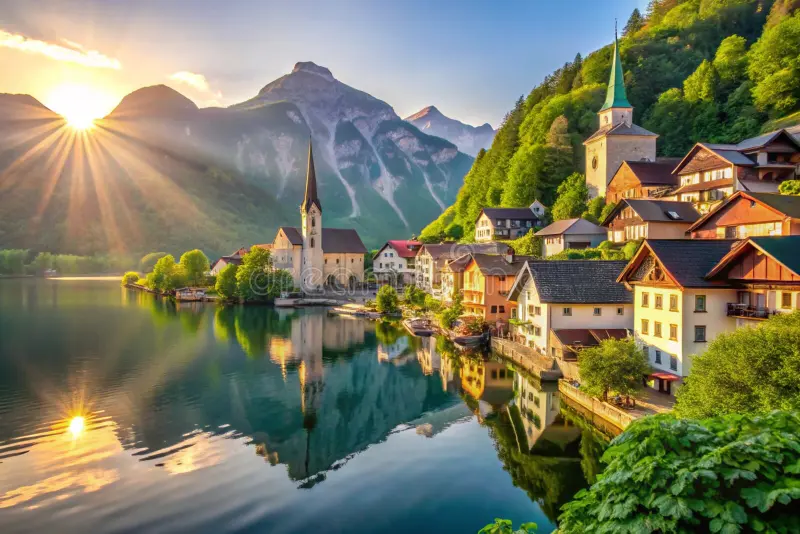
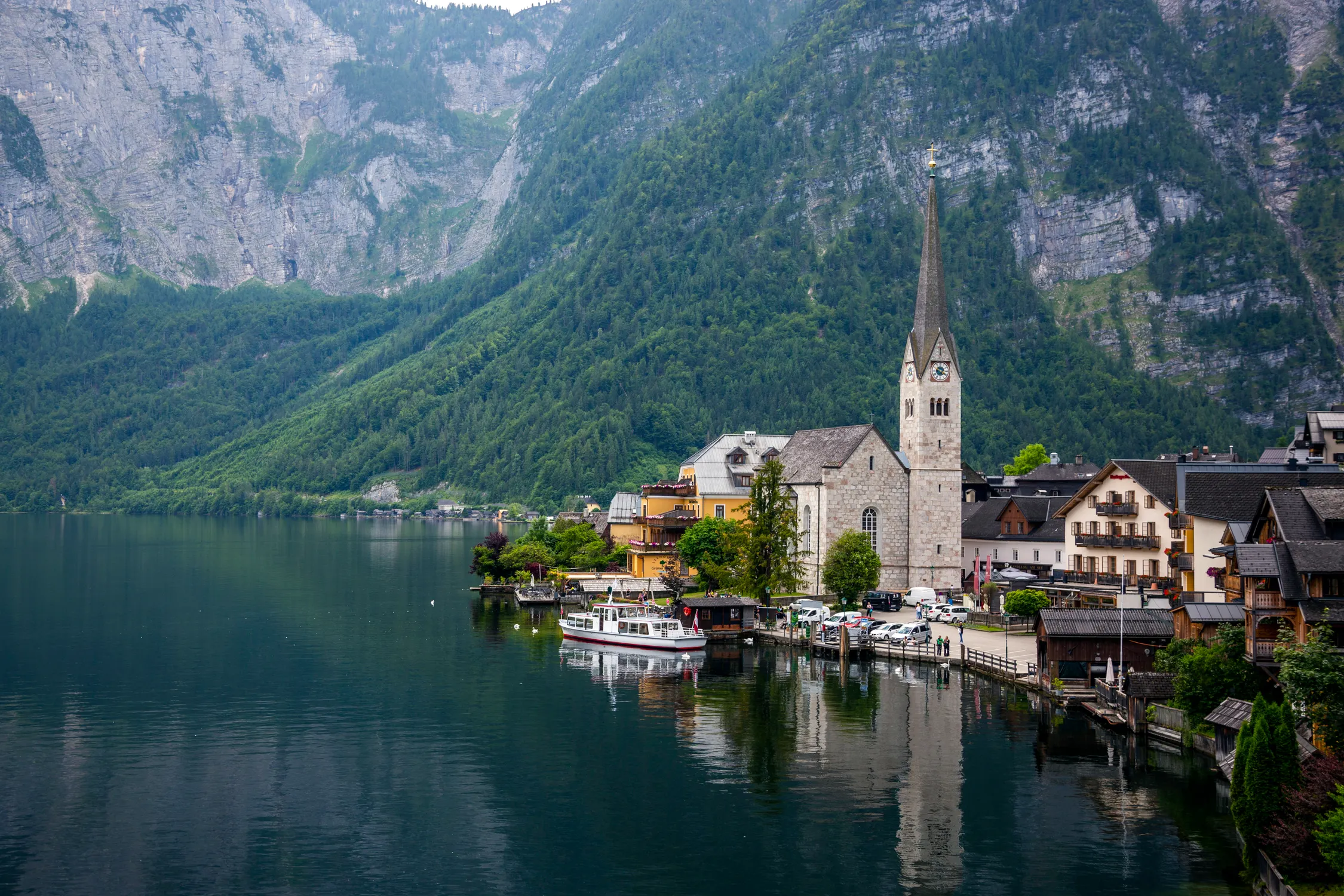
Built in the mid-19th century, this neo-Gothic church features the prominent, slender steeple that defines the village's famous lakeside skyline. It remains an active place of worship for the local Protestant community.
Perched on the hillside above the town, this 15th-century Catholic church contains double late-Gothic winged altars. Its elevated yard offers clear views across the entire lake basin.
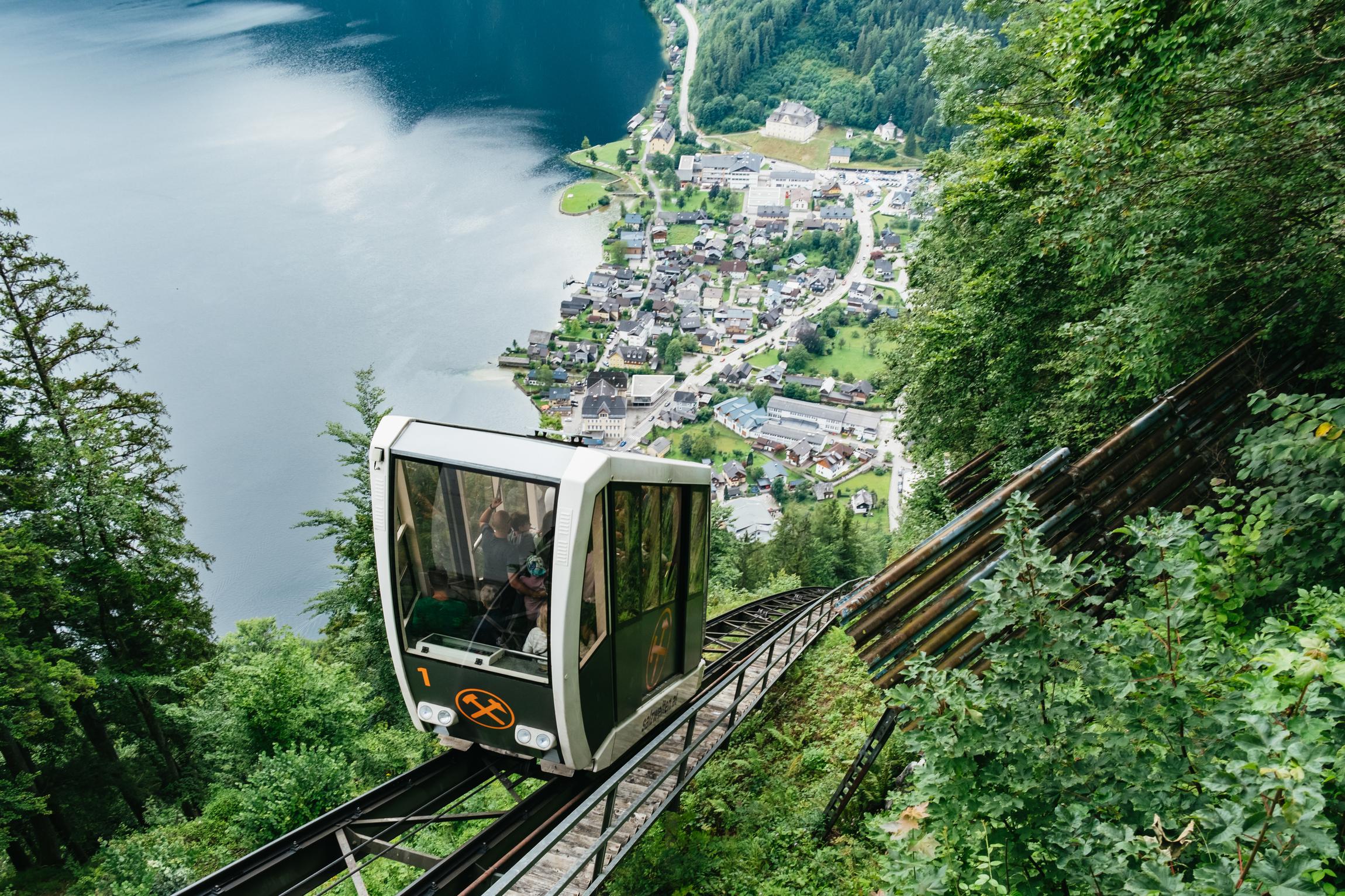
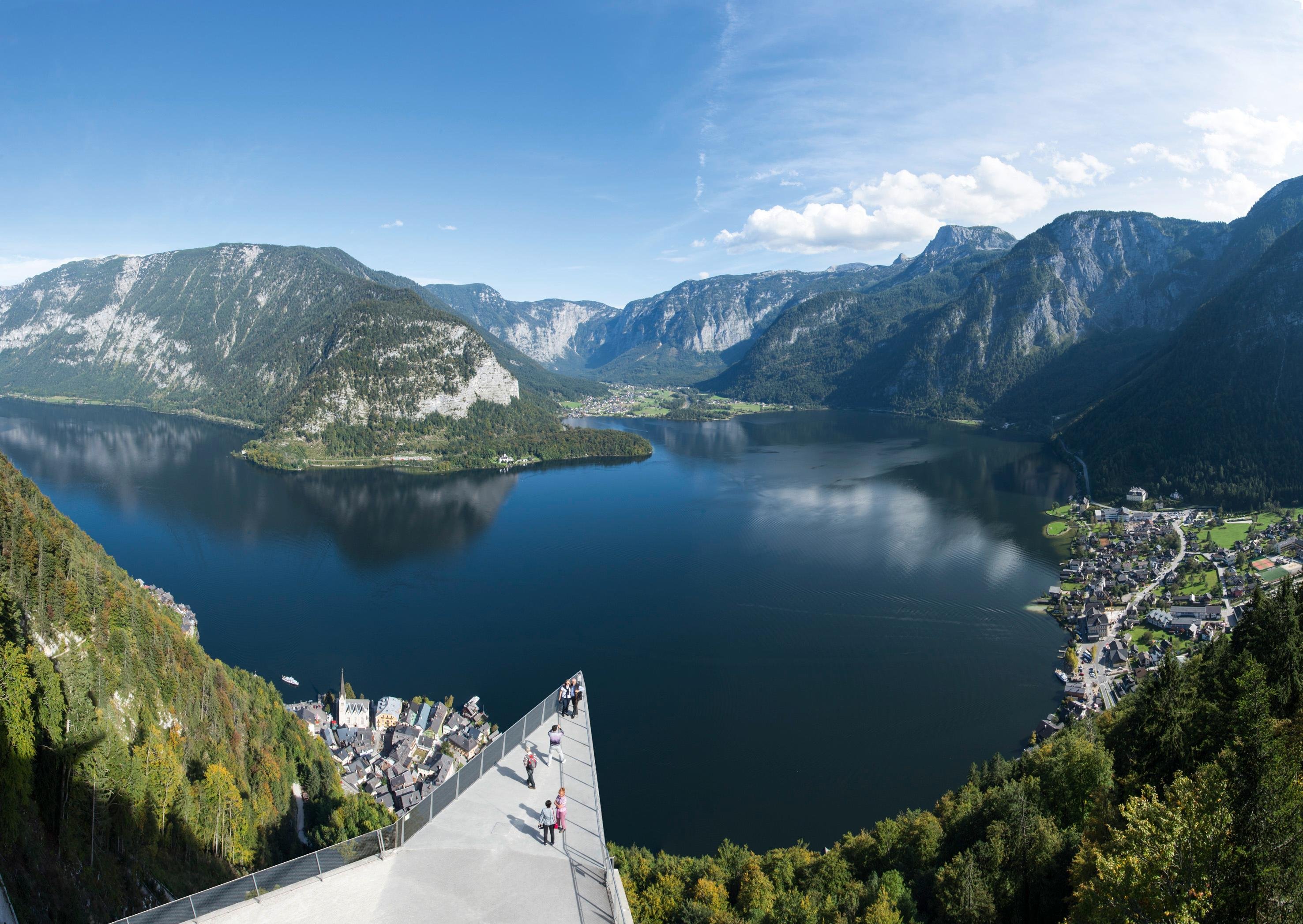
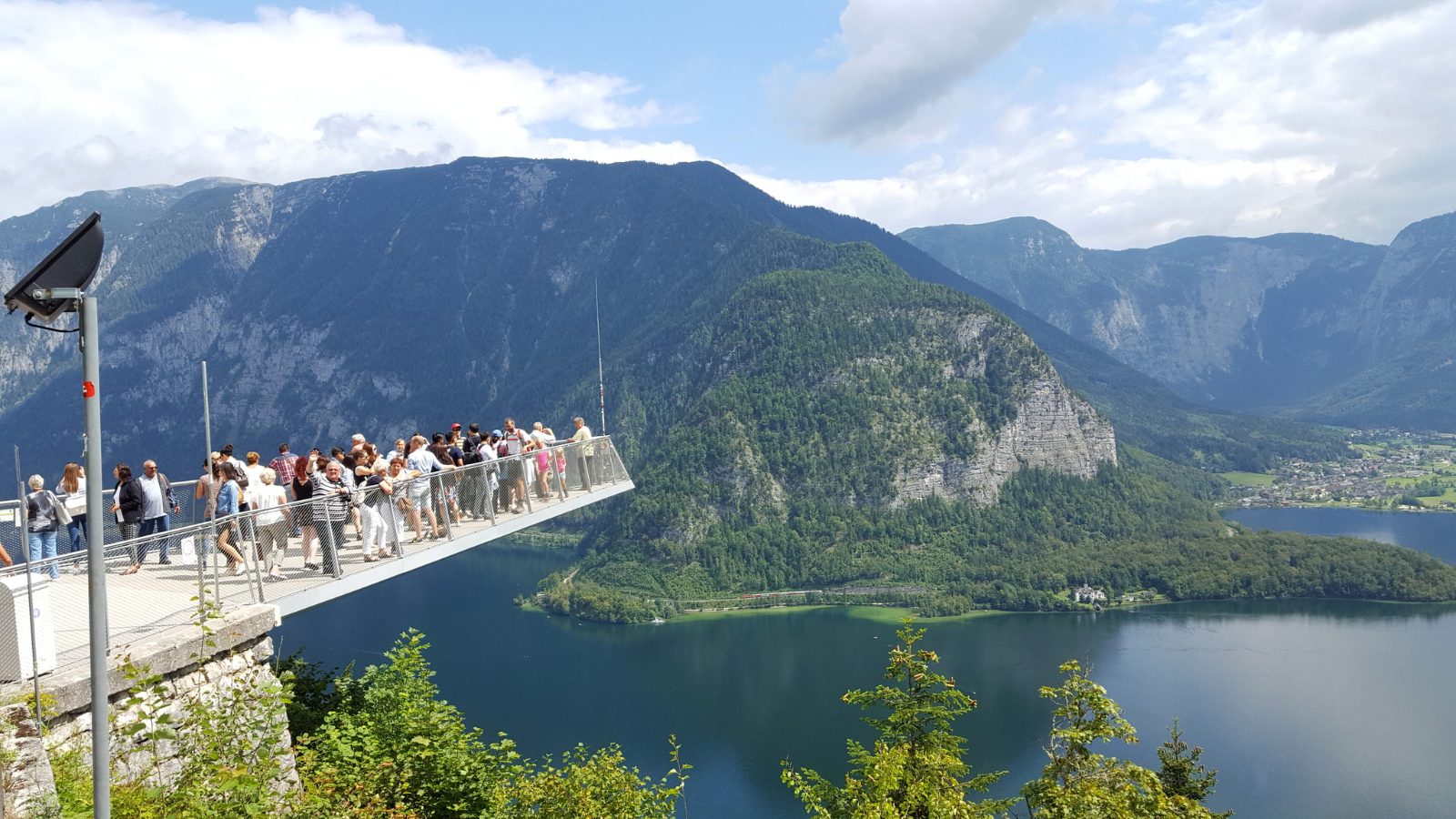
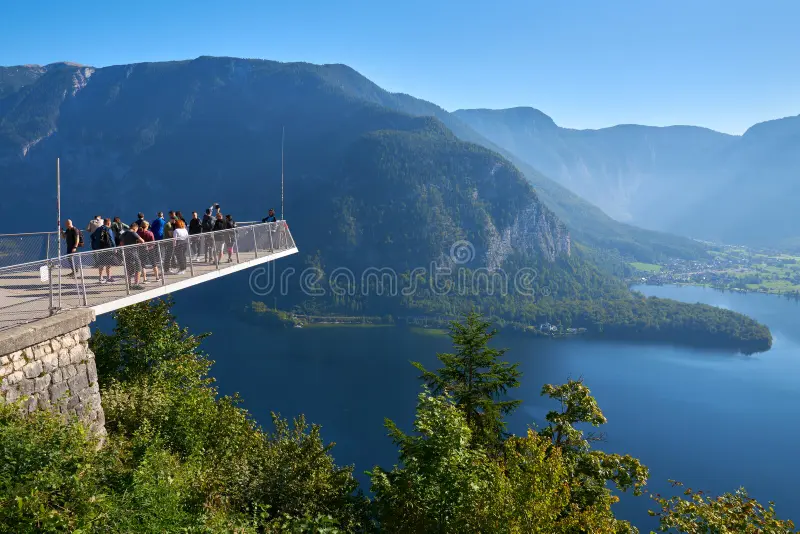
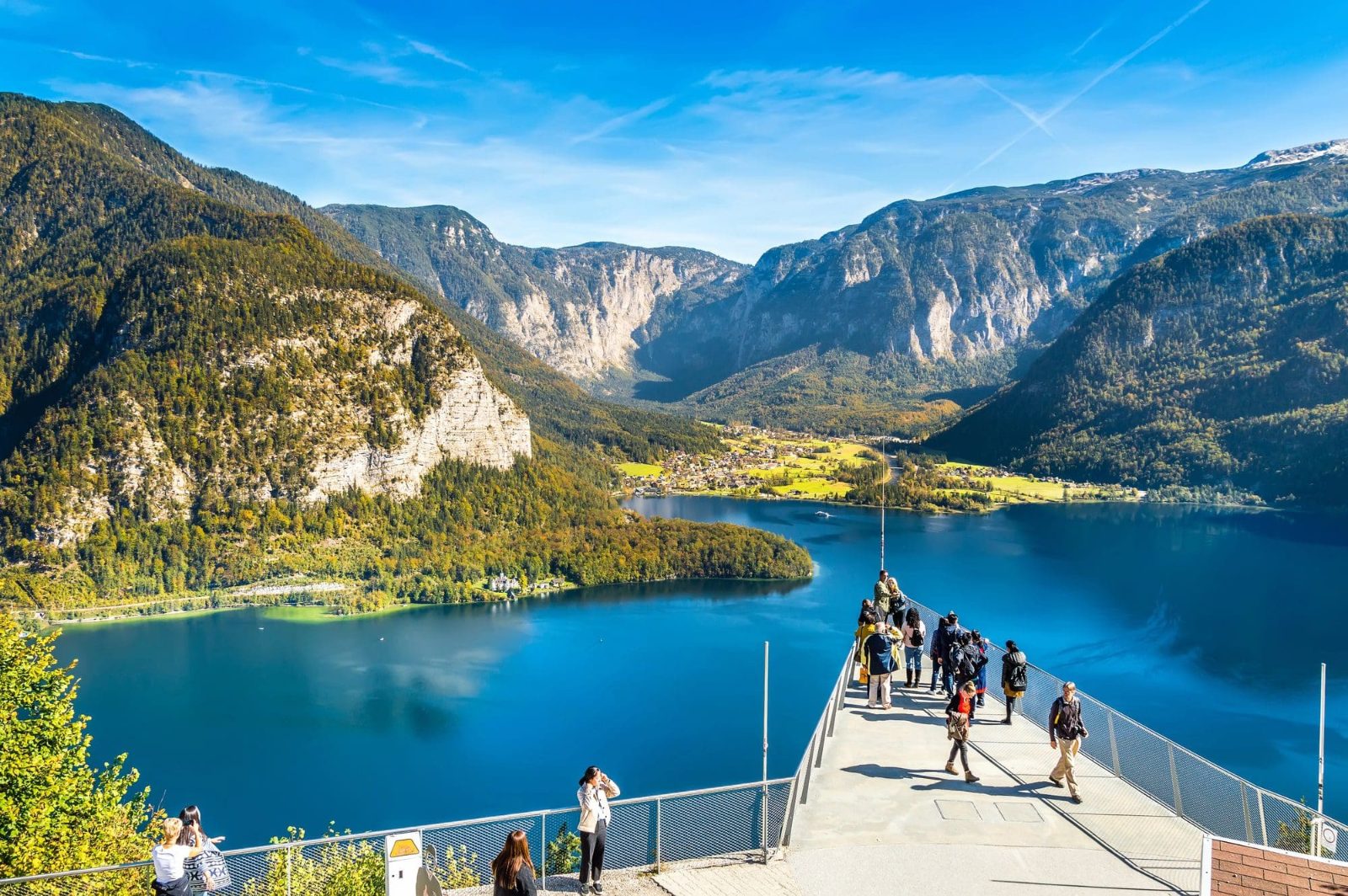
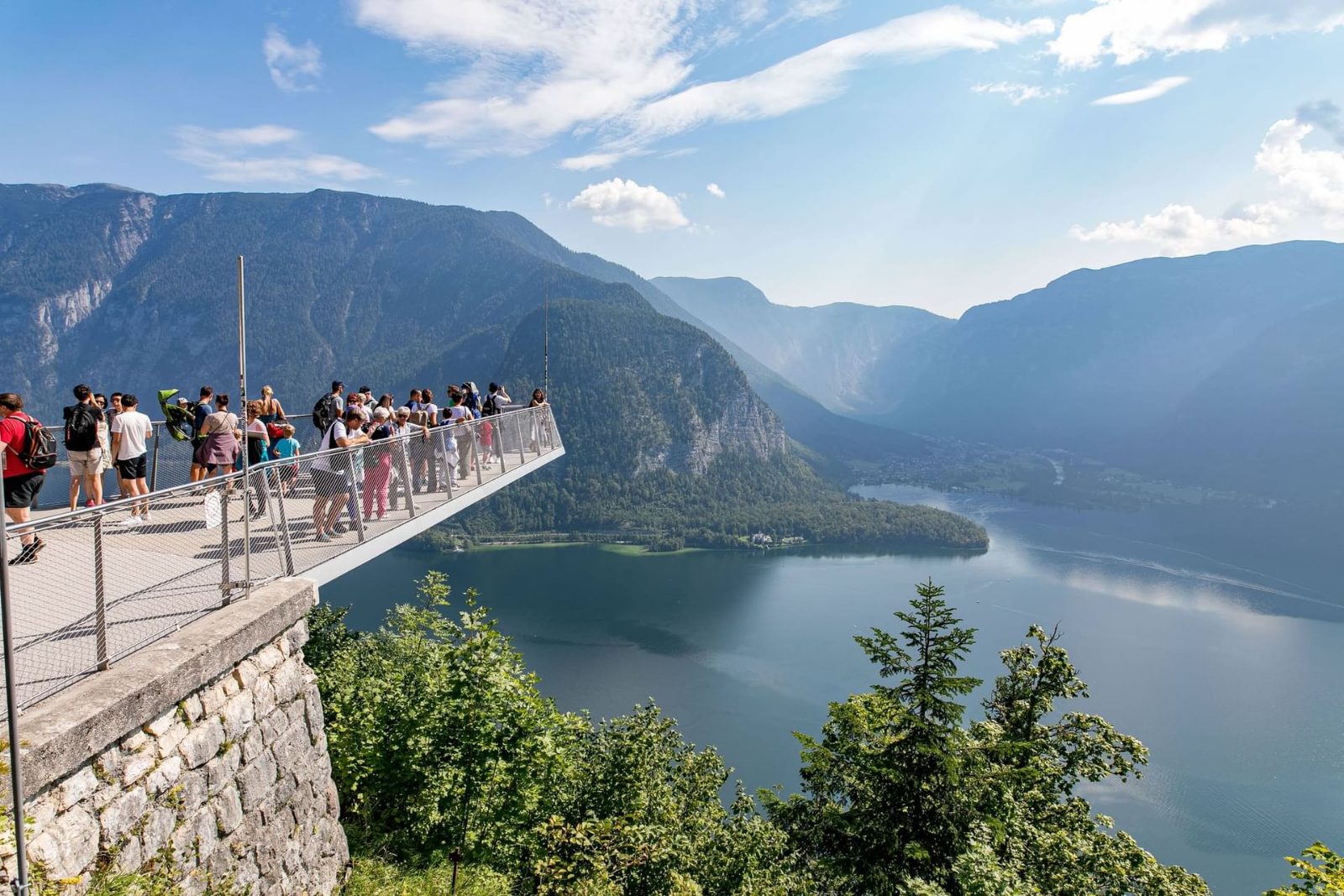
A steel viewing platform extending 12 meters over a 350-meter drop, providing views of the UNESCO World Heritage landscape. It is reached via the Salzbergbahn funicular railway.
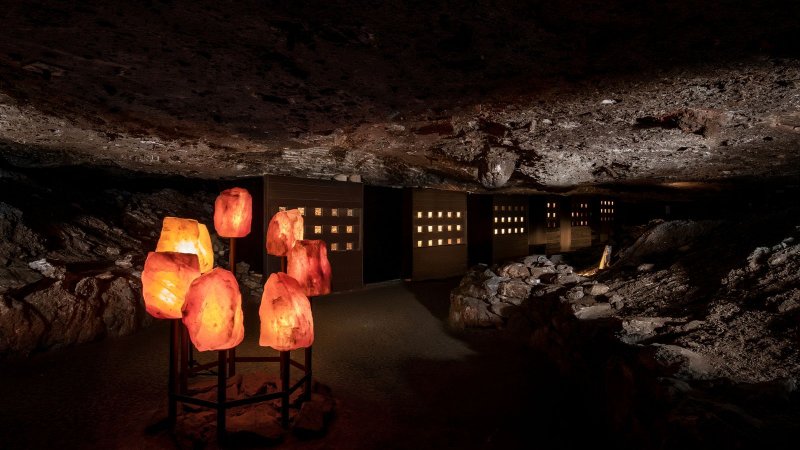
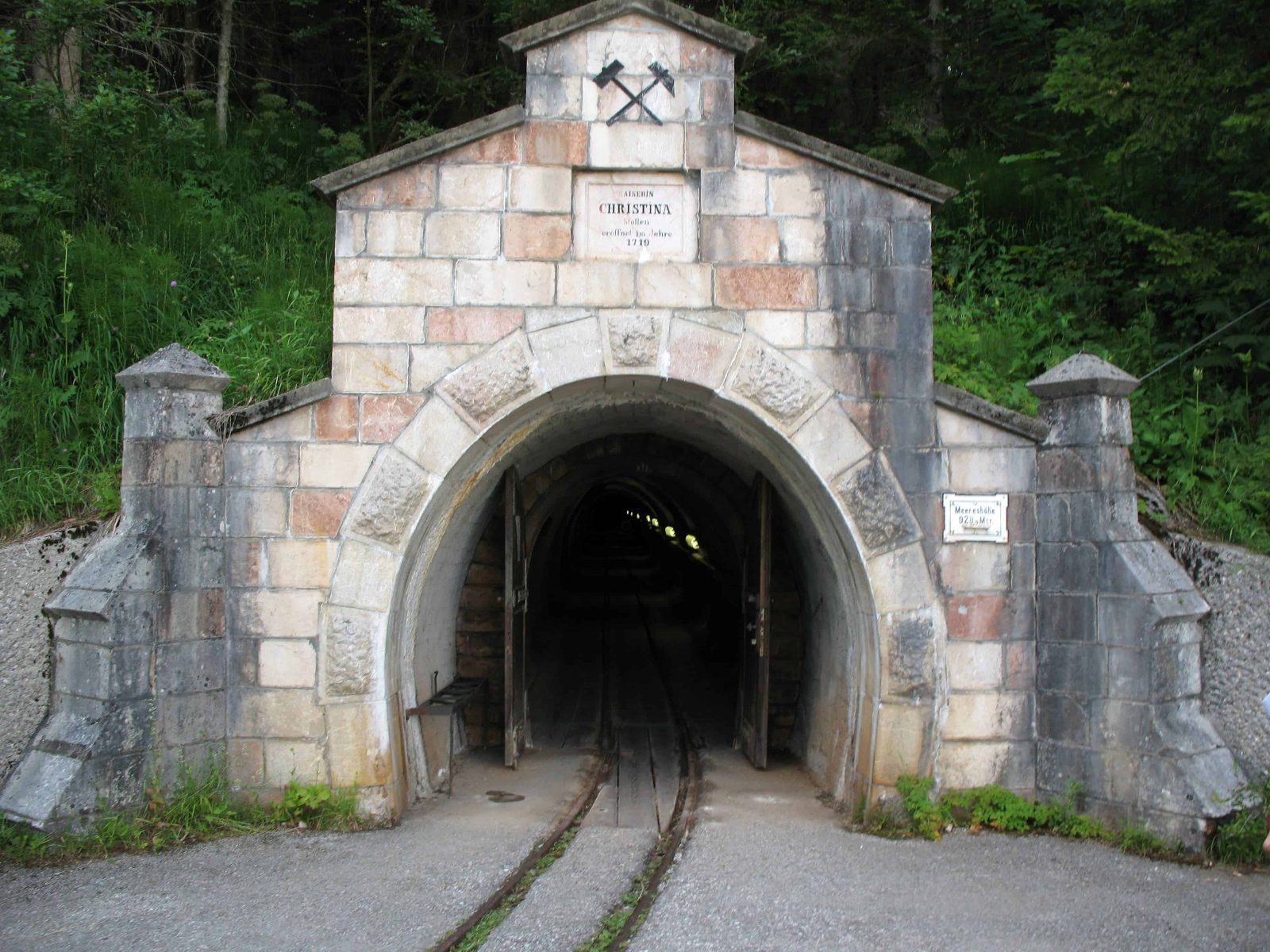
Dating back over 7,000 years, this archaeological site is recognized as the world's oldest salt mine. Visitors slide down wooden slides to see subterranean salt lakes and active mining areas.
All the details about your upcoming adventure in one place
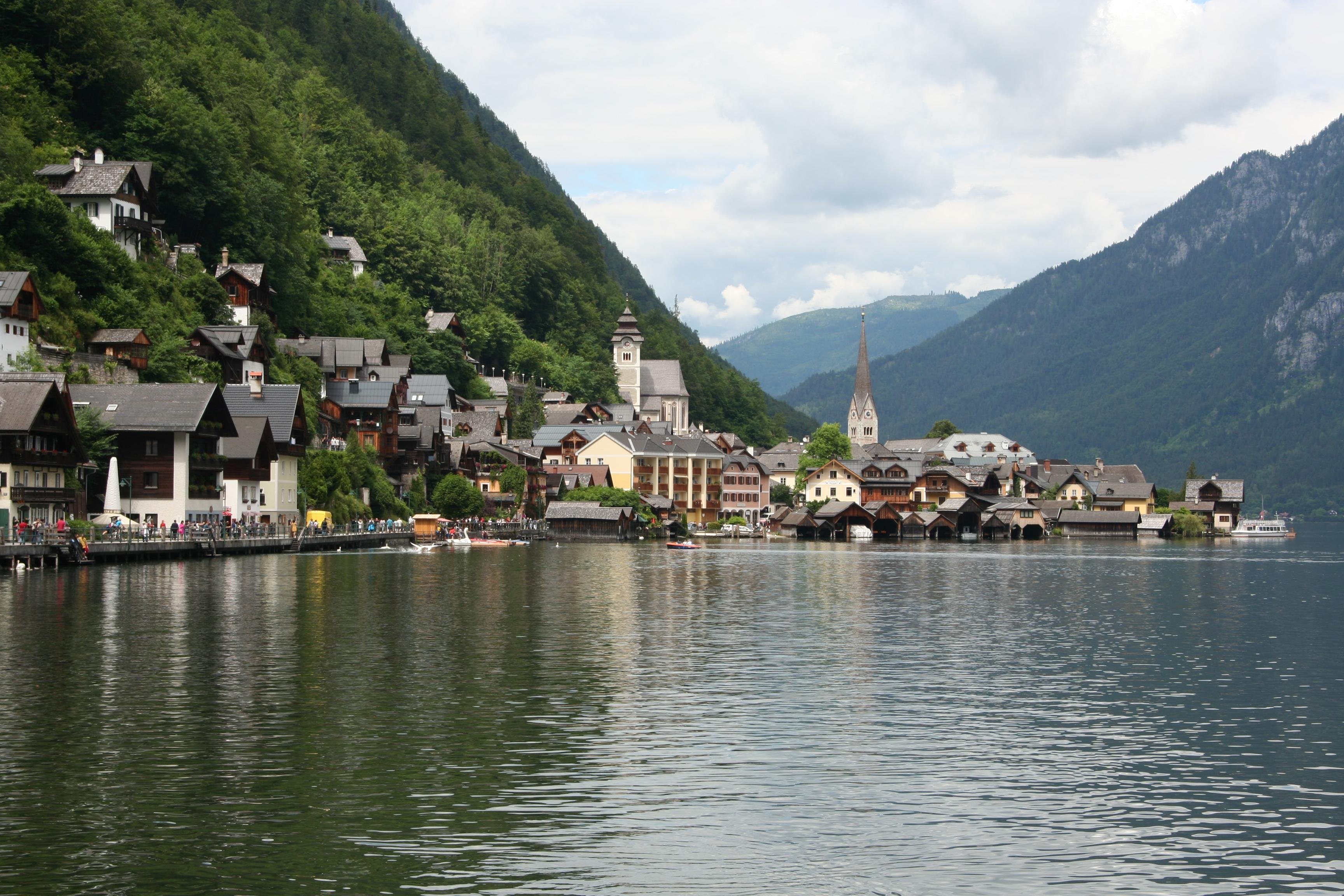
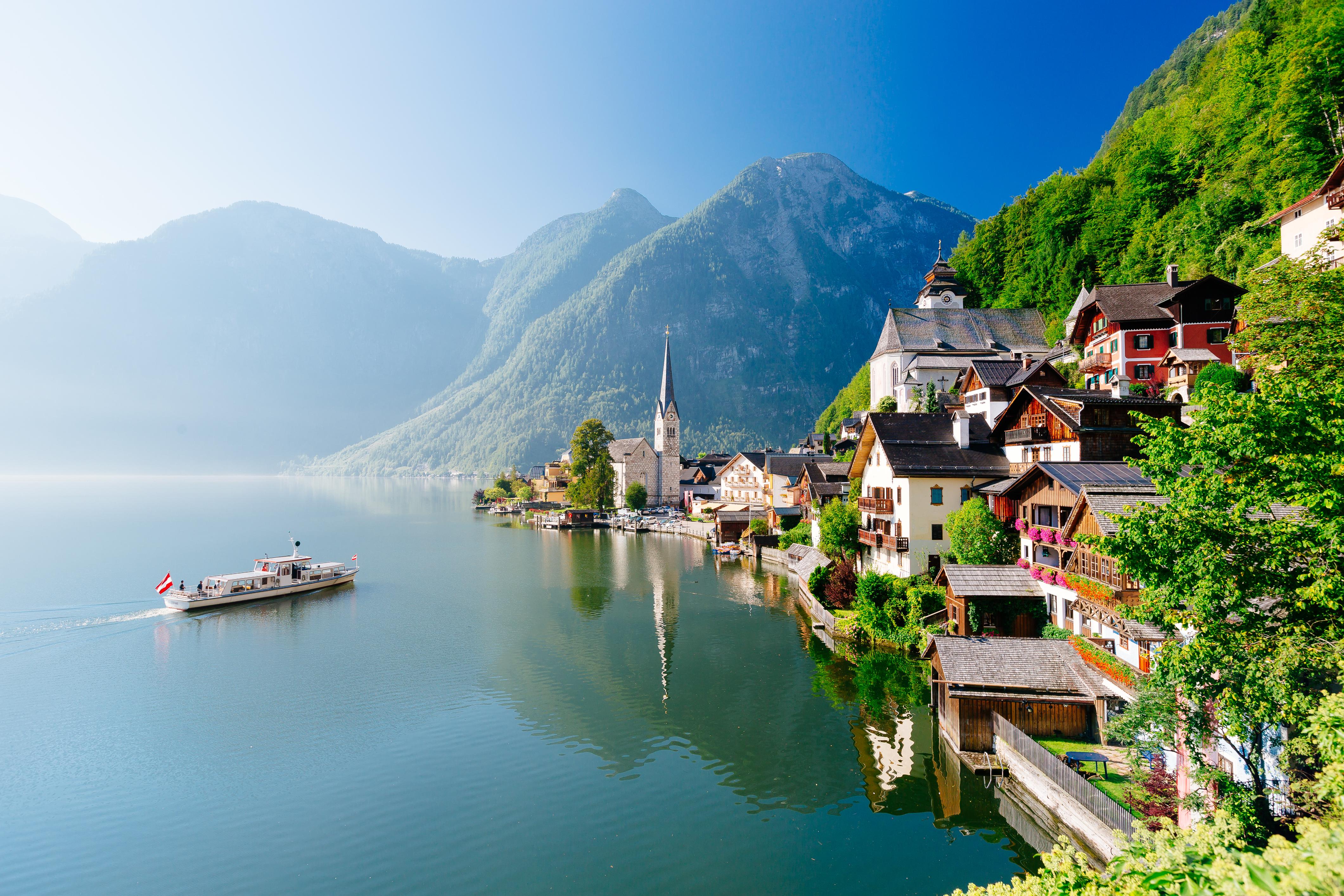
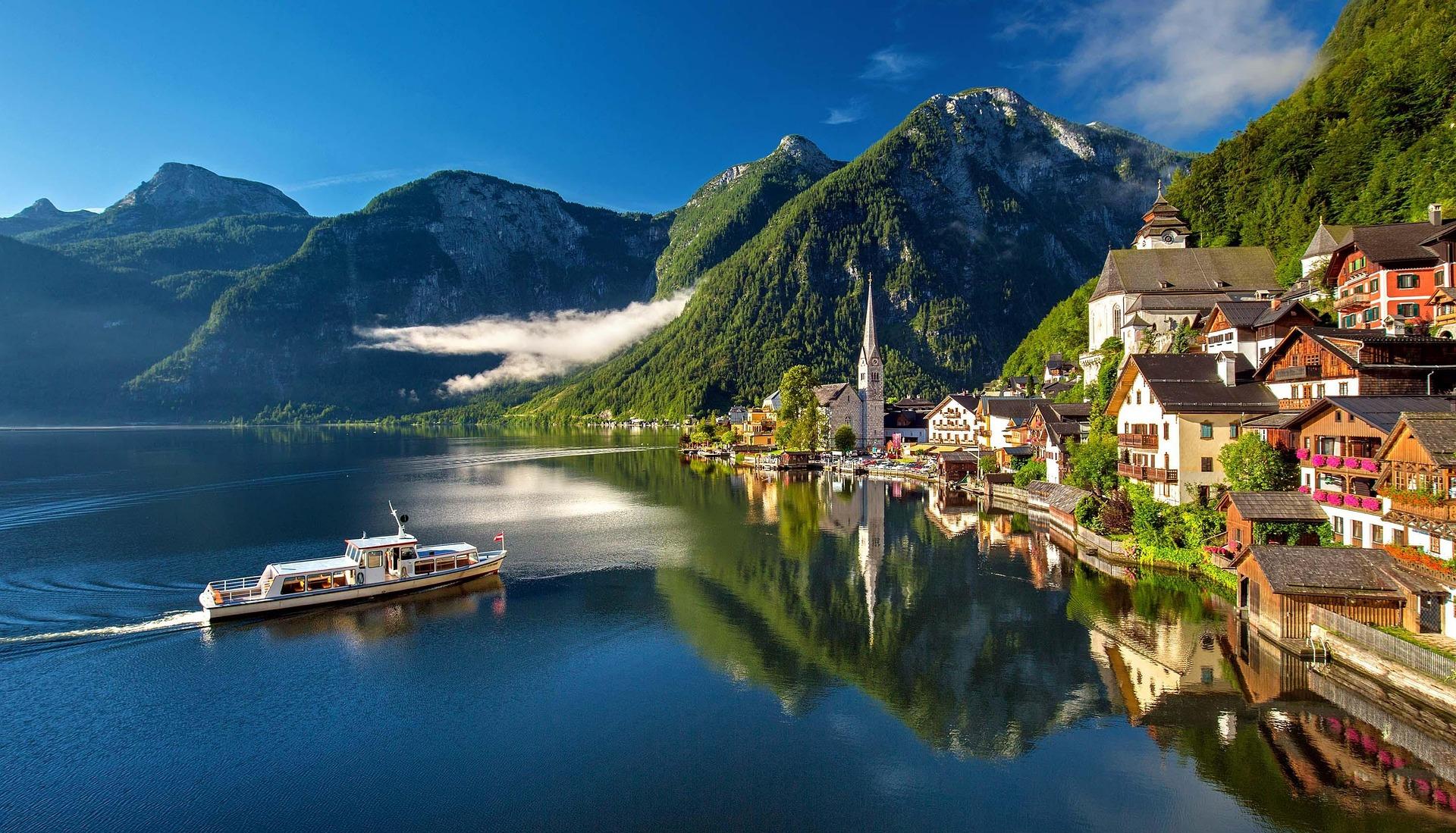
A vienna to hallstatt day trip carries you west across Lower Austria into the Salzkammergut lake district, where a UNESCO World Heritage village of 700 residents sits between the Dachstein massif and the still water of Hallstätter See. Most vienna to hallstatt day trip tours pair the village itself with the Hallstatt Skywalk viewing platform and the salt mine that gave the settlement its name and its 7,000-year record of human habitation. Guided coaches and rail-based routes both run year-round, with the Gosausee lake or Salzburg often folded in as a second stop.
Miners cut salt from the mountain above Hallstatt roughly 7,000 years ago, making this the oldest continuously worked salt mine known anywhere on earth. The village that grew beneath it takes its name from that trade: Hall, an ancient word for salt, joined to Statt, a place.
Wealth arrived by boat, because until the mid-nineteenth century no road reached the lakeshore at all.
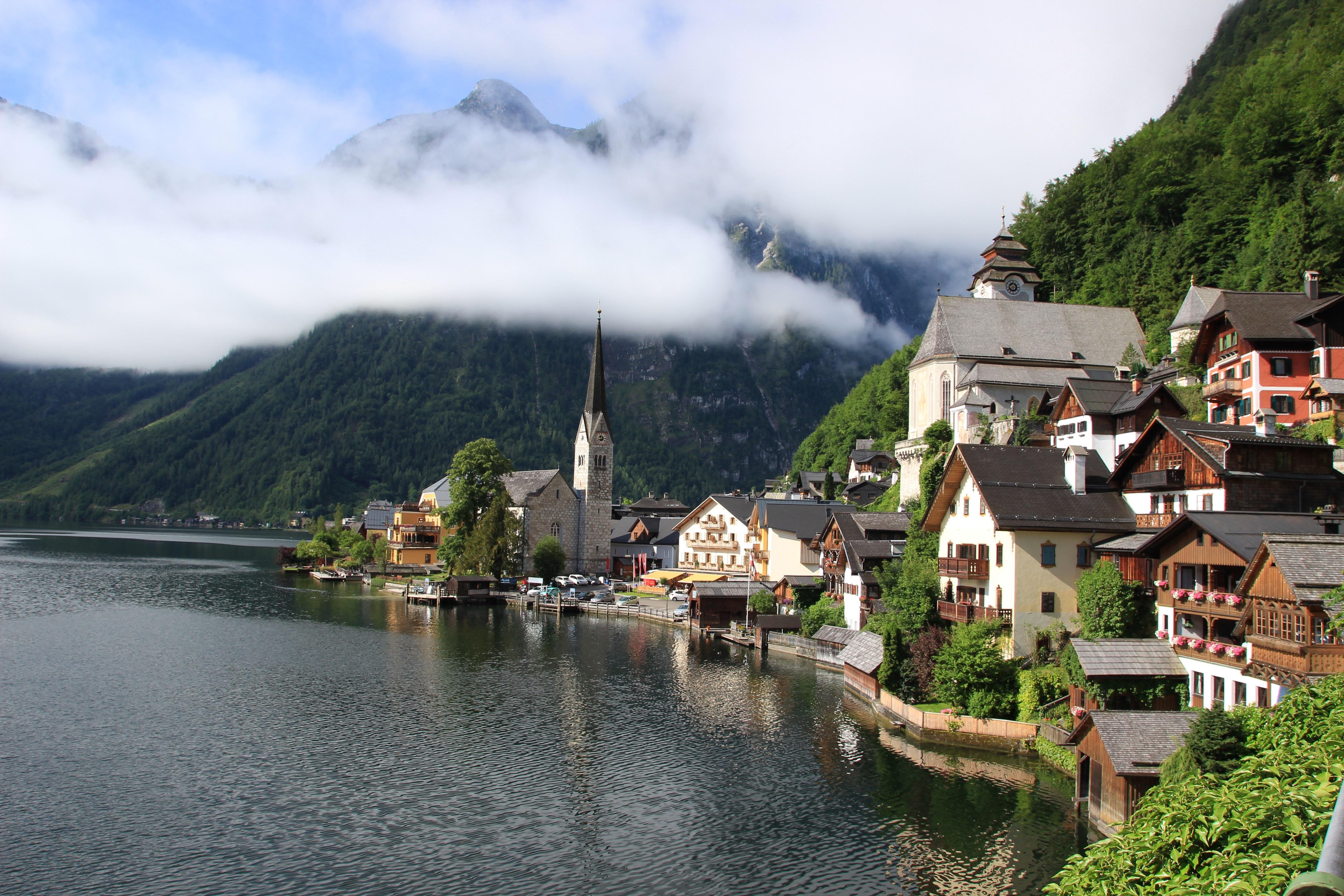
That isolation explains the shape of the place. Houses press against the cliff in narrow tiers, timber galleries stacked above stone bases, each roofline stepped to catch what light the Dachstein massif allows. Market Square sits on the only flat ground the settlement possesses. Above it, the Catholic parish church holds a late-Gothic winged altar carved around 1515, and beside the churchyard the Beinhaus keeps more than 600 painted skulls — a response to ground too scarce for permanent graves. A funicular climbs to the Salzwelten mine and the Skywalk platform, which cantilevers 350 metres over the rooftops.
UNESCO inscribed the Hallstatt-Dachstein Salzkammergut cultural landscape in 1997, and the designation matters: it protects a working valley, not a museum piece. Roughly 700 people still live in the village. That tension shapes every vienna to hallstatt day trip arriving from the capital, whether travellers choose the vienna to hallstatt day trip by train through Attnang-Puchheim and across the lake by ferry, the vienna to hallstatt day trip by car along the A1, or a coach-based vienna to hallstatt day trip by bus with a fixed return. Threads on Reddit debate the merits of each route endlessly; the practical differences come down to transfers and daylight.
Distance is the honest constraint. Guided vienna to hallstatt day trip tours condense the transfers; independent travellers trade convenience for freedom. Either way the village charges nothing at all to enter, and its opening hours run 00:00–23:59 every day of the week. The mountain, the mine and the mirrored water have simply always been here.

Wealth arrived by boat, because until the mid-nineteenth century no road reached the lakeshore at all.
Entrance to the village is free of charge, meaning there are no cancellation fees for independent walks. The refund policies for organized vienna to hallstatt day trip tickets depend strictly on the transport operator.
Weather · crowds · average price — dots go green to amber to red as each metric rises.
Milder weather in April and May brings blooming alpine flowers and fewer crowds compared to the summer peak. Temperatures range from 8 to 15 degrees Celsius.
Summer is the busiest time for a Vienna to Hallstatt excursion, offering warm weather and full boat services. Expect temperatures around 20 to 25 degrees Celsius and high visitor numbers.
September and October present colorful foliage across the Dachstein Alps and cooler, crisp hiking conditions. Crowds begin to thin out significantly after mid-September.
Snowfall transforms the village into a quiet alpine landscape between December and February. High-altitude trails and the salt mine are closed, but the streets are peaceful.
Secure your time slots online weeks in advance, especially during the summer peak season, as daily capacities are limited.
While hotels and larger restaurants accept cards, smaller shops, public restrooms, and the ferry require cash.
When checking Austrian railway websites for connections, searching for a Tagesausflug von Wien nach Hallstatt will yield regional schedules.
Plan to arrive before 09:00 to experience the peaceful streets before the mid-day tour buses arrive.
Many areas in the village are private residential homes; stay on designated public paths and do not photograph inside windows.
When mapping out a vienna to hallstatt day trip, book train tickets in advance to secure the best rates.
Salt made this village. Miners cut the first shafts into the Hochtal above the lake around 1500 BC, and by 800 BC the settlement had grown wealthy enough to name an entire European epoch. Archaeologists call the period from roughly 800 to 450 BC the Hallstatt Culture, the Early Iron Age phase of Central Europe. The evidence lies in the ground. Between 1846 and 1863 the mine director Johann Georg Ramsauer excavated 980 graves in the high valley, recording each burial in watercolour plates that remain a foundation of European prehistory. Bronze fibulae, Baltic amber, and African ivory came out of those graves, proof of trade routes running far beyond the Salzkammergut long before Rome. The salt itself preserved what soil would have destroyed. In 1734 miners found the body of a prehistoric worker, the so-called Man in Salt, and later shafts yielded leather rucksacks, wooden staircases, and a stairway timber dated to 1344 BC — the oldest wooden staircase in Europe. Any vienna to hallstatt day trip passes through a working landscape rather than a museum set: the Hallstatt salt mine has operated more or less continuously for over seven thousand years. Disaster shaped the village too. Fire destroyed much of the lakeside centre in 1750, and the rebuilt houses in Baroque and Alpine timber form are largely what visitors see today. UNESCO inscribed the Hallstatt-Dachstein Salzkammergut cultural landscape on the World Heritage List in 1997, citing the unbroken relationship between salt extraction and settlement. Visitors booking Hallstatt village tours or arranging vienna to hallstatt day trip tickets should note that the village itself charges 0 EUR (Free to enter the village) and is open at all hours; the parish church, the Beinhaus with its painted skulls, and the Hallstatt Museum hold the record. That layered inheritance is what most vienna to hallstatt day trip tours are ultimately built around, and it is what a well-planned vienna to hallstatt day trip tour should leave time for.
Earliest known salt extraction begins in the high valley above the lake.
A wooden staircase is built in the mine, later dated as the oldest in Europe.
The settlement gives its name to the Hallstatt Culture of the Early Iron Age.
Hallstatt is granted market rights, confirming the salt trade's economic weight.
Miners recover the preserved body known as the Man in Salt.
Fire destroys much of the lakeside village, prompting the rebuilding still visible today.
Johann Georg Ramsauer excavates 980 prehistoric graves and documents them in watercolour.
UNESCO inscribes the Hallstatt-Dachstein Salzkammergut cultural landscape as World Heritage.
Located on Gosaumühlstraße, this location is where you capture the iconic postcard perspective of the Lutheran Church steeple and pastel alpine houses. It is a key highlight for anyone booking vienna to hallstatt day trip tours.
Positioned 360 meters above the village rooftops on your vienna to hallstatt day trip, this triangular viewing platform juts out from the Salzberg mountain. The platform provides a sweeping bird's-eye panorama of the lake and the Dachstein Alps.
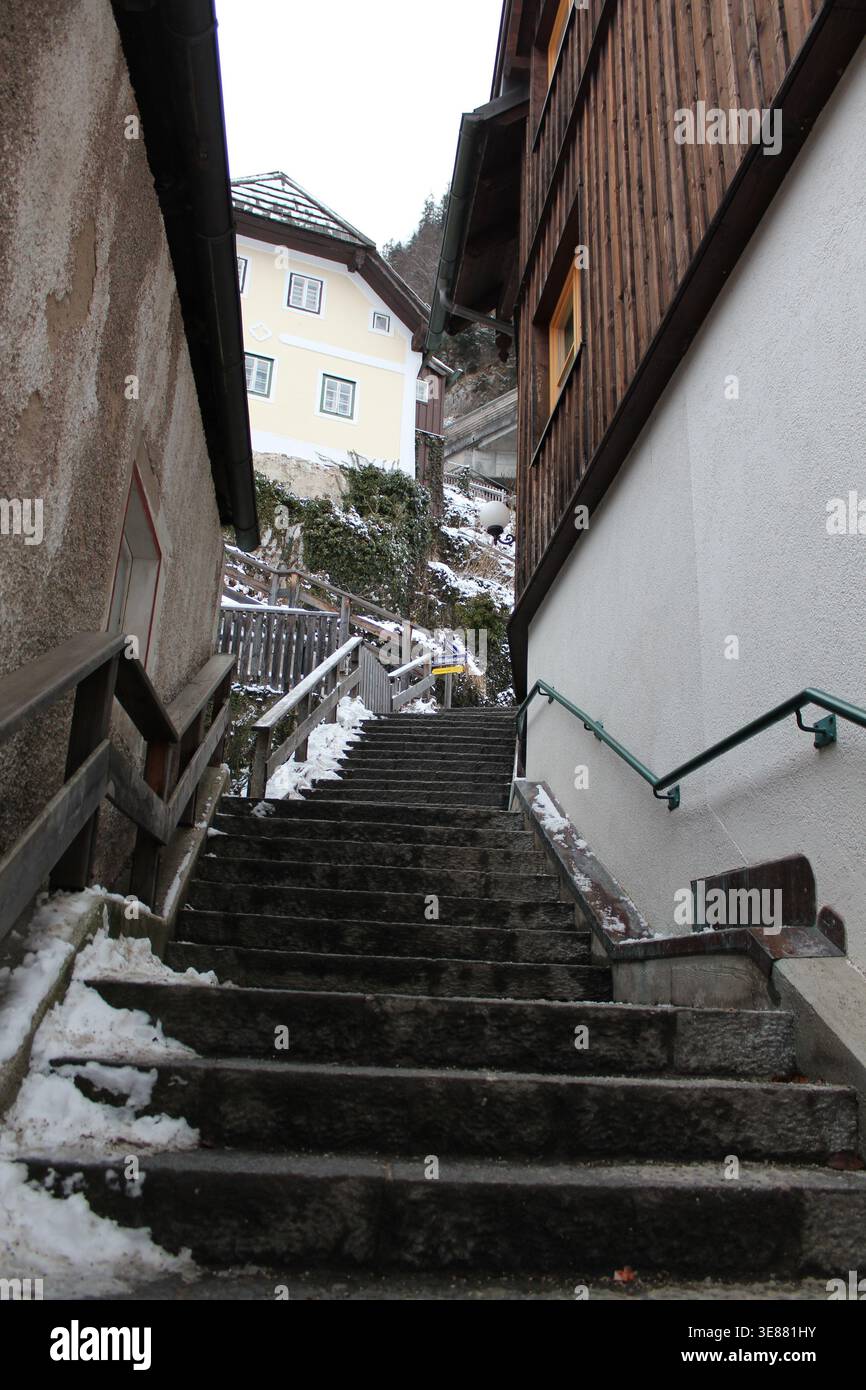
This historic stone staircase winds between the tiered houses of the upper village, offering a unique vertical angle looking down on shingled rooftops. It provides an intimate, textured composition for those on a vienna to hallstatt day trip tour.
Positioned at the heart of the village, this small square features colorful heritage buildings. Travelers with vienna to hallstatt day trip tickets should visit at dawn to frame the Holy Trinity statue against the steep, green mountain slopes.
Finding a meal during your vienna to hallstatt day trip is straightforward, with options ranging from historic lakeside inns to quick bakeries. Most visitors choose to dine near the water to enjoy the classic alpine views.
Famous for serving fresh lake trout harvested directly from the Hallstätter See. This historic spot on the market square is a great stop if you want to sit down and relax after completing your vienna to hallstatt day trip tour.
Offers classic Austrian comfort food like schnitzel and local game under a shady chestnut tree. This lakeside terrace is perfect to rest your feet, especially if you have arrived via one of the vienna to hallstatt day trip tours that drop you off nearby.
A traditional bakery on Seestraße offering fresh pastries, coffee, and sandwiches. It is the perfect spot for a quick, budget-friendly snack before you use your vienna to hallstatt day trip tickets to board the ferry or train.
Everything you need to know for your journey
A standard journey by train or bus requires around 3 to 4 hours each way, meaning a full excursion to Hallstatt lasts about 12 to 14 hours.
Summer offers warm temperatures and boat rides, while winter brings beautiful snow-dusted views over Hallstatt.
Yes, many companies offer guided winter tours, though some activities like the salt mine are closed.
Entrance to the historic center of Hallstatt is completely free, but separate tickets are required for the funicular and salt mine.
Vehicle access to the center of Hallstatt is restricted to residents, so visitors must park in designated parking lots outside the town.
The Michaelskapelle bone house is open daily, though hours vary depending on the season.
Yes, public restrooms are available near the main parking areas and the ferry dock for a small fee.
The oldest active salt mine in the world features a subterranean slide and an ancient wooden staircase.
Located in the Michaelskapelle, this small ossuary contains over 600 artistically painted human skulls.
A viewing platform hanging 350 meters above the village, offering views of the lake and surrounding mountains.
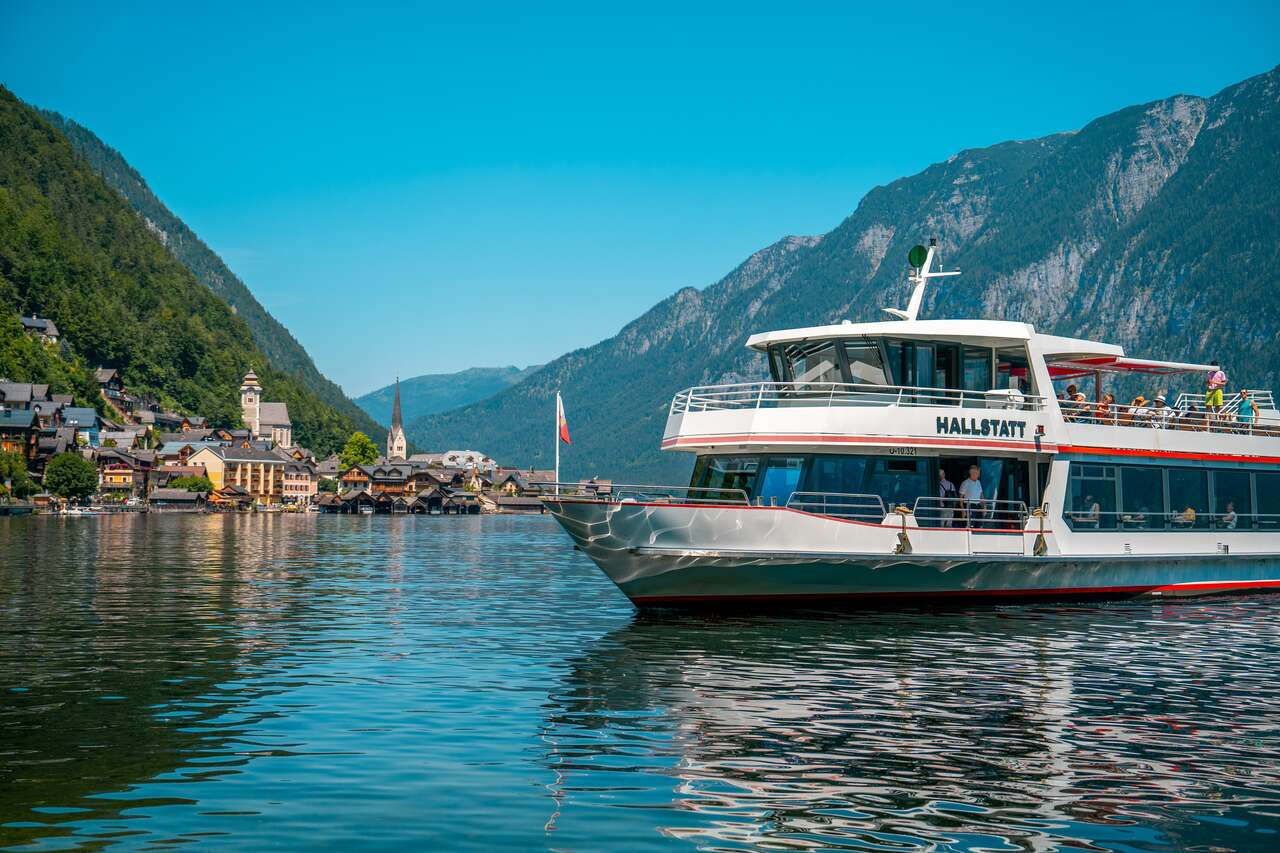
A pristine alpine lake surrounded by steep mountains, popular for electric boat rentals and ferry rides.
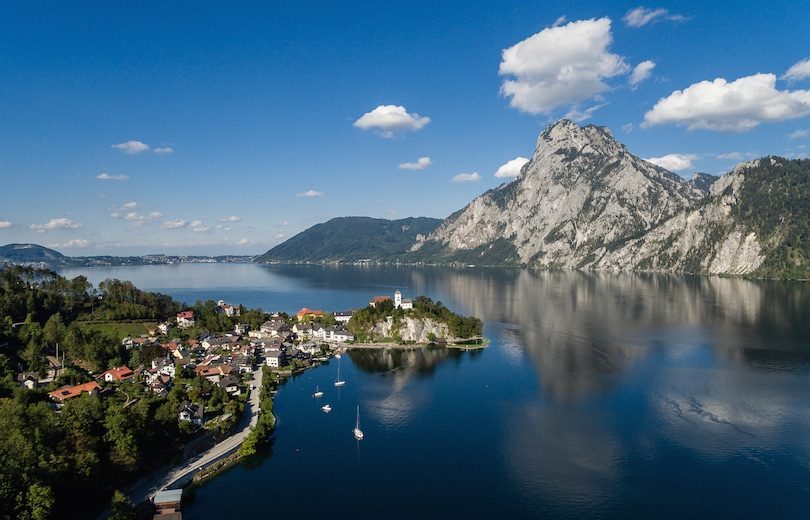
A scenic lake on the route from Vienna landmarks to the Salzkammergut region.
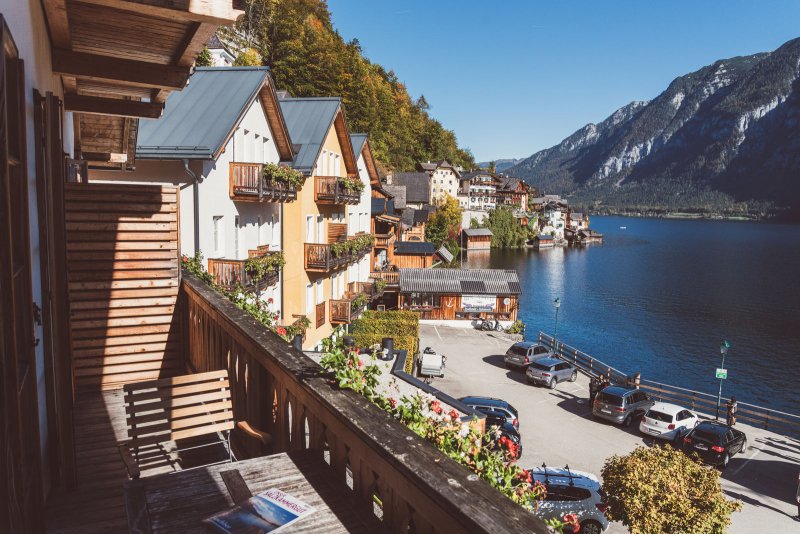
Composed of three historic buildings in the village center, offering elegant rooms with views of Lake Hallstatt.
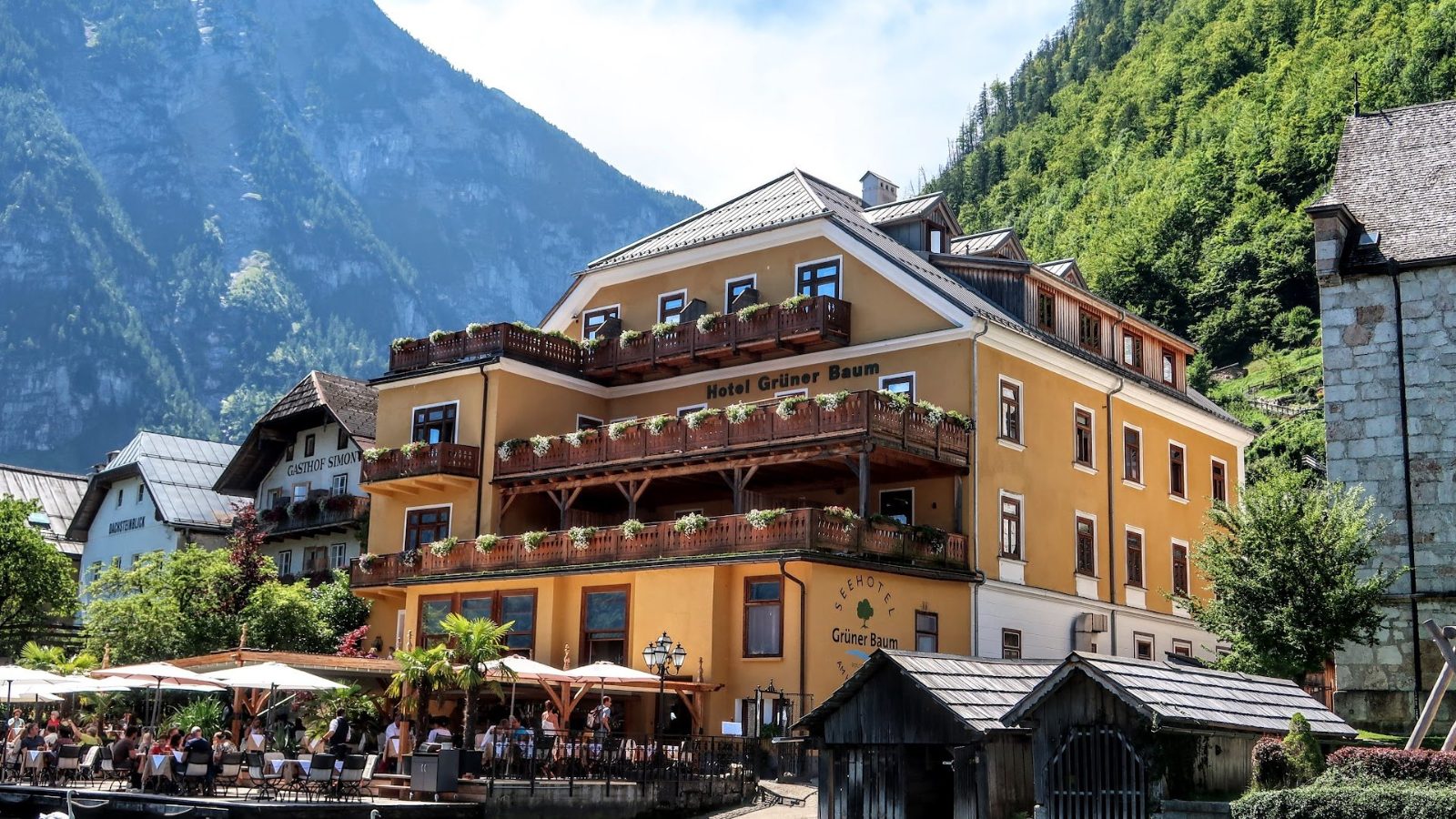
A historic lakeside hotel right on the market square, featuring a terrace restaurant and rooms facing the water.
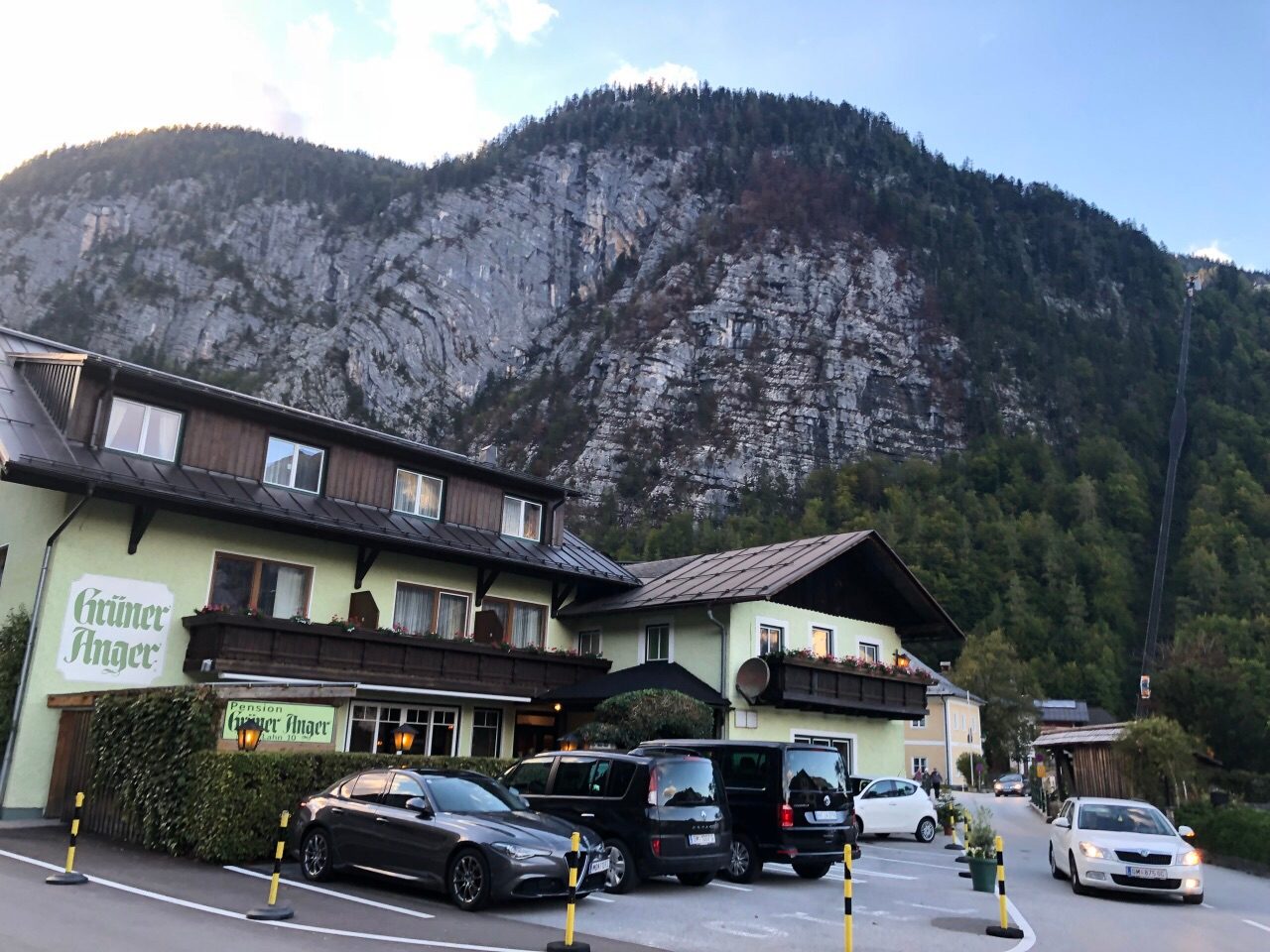
A quiet, family-run guest house situated in the Lahn valley, within walking distance of the funicular station.
Join thousands of happy travelers who have discovered this incredible experience
Book Your Experience Now